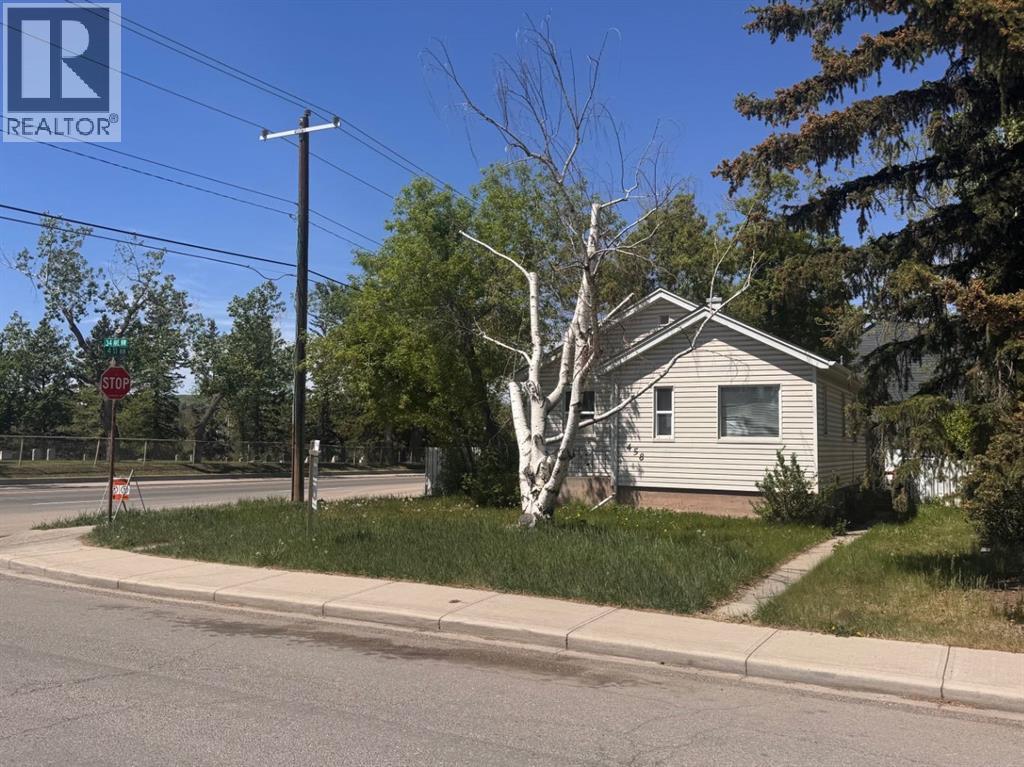
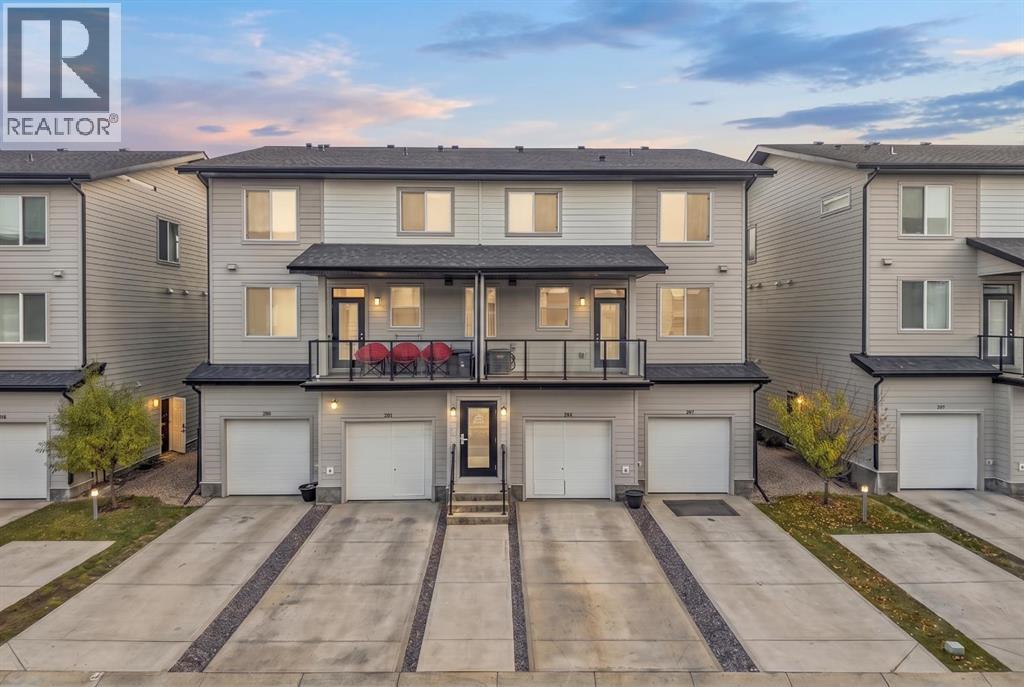
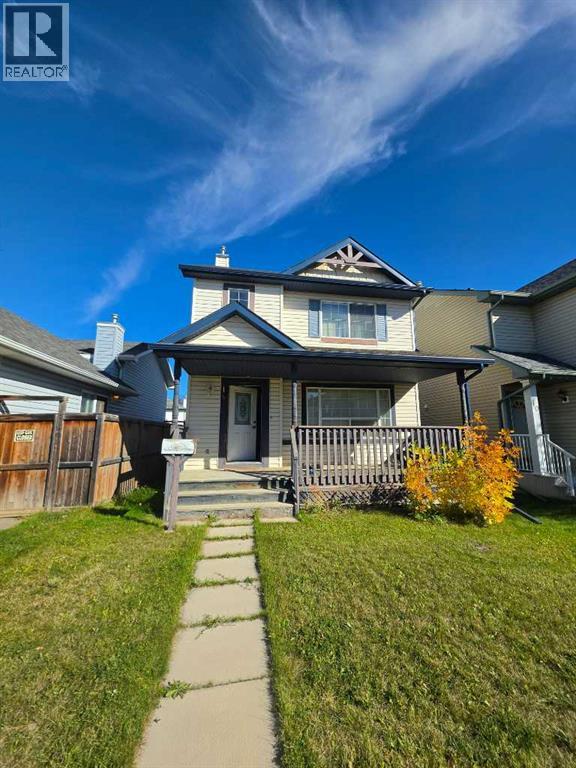
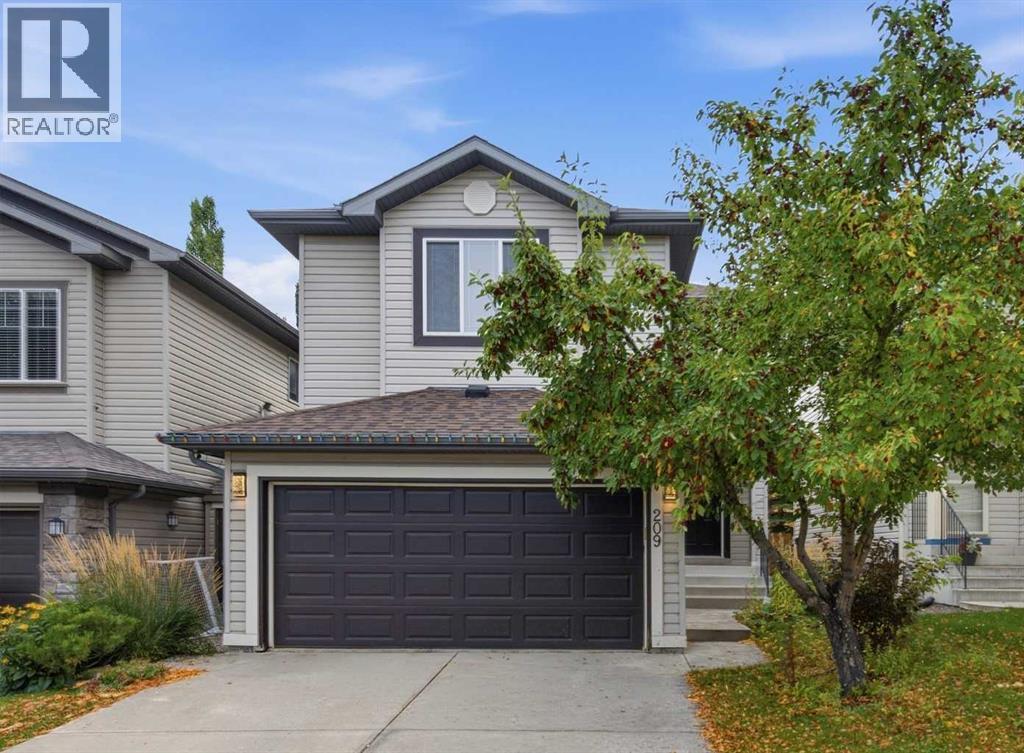
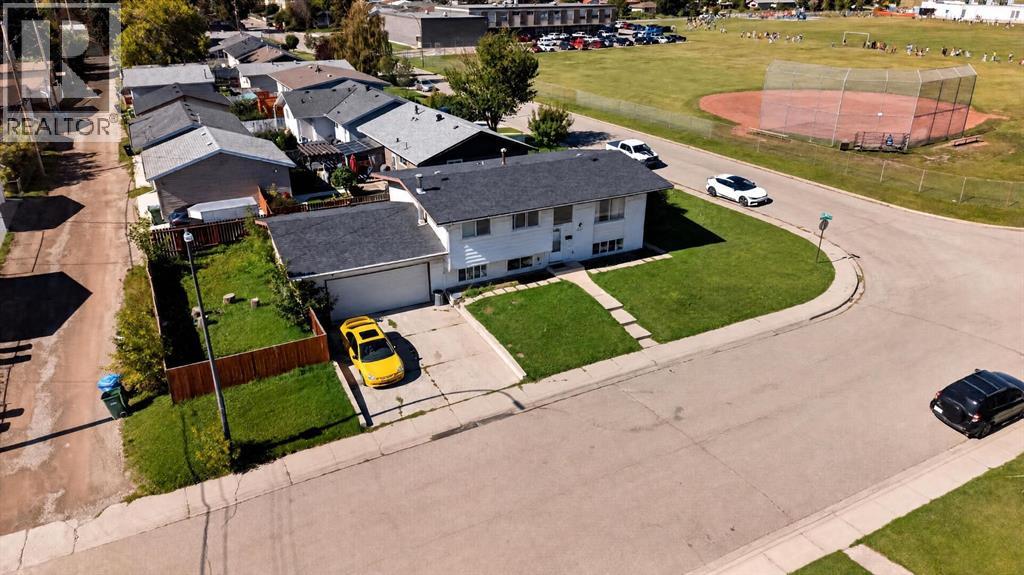
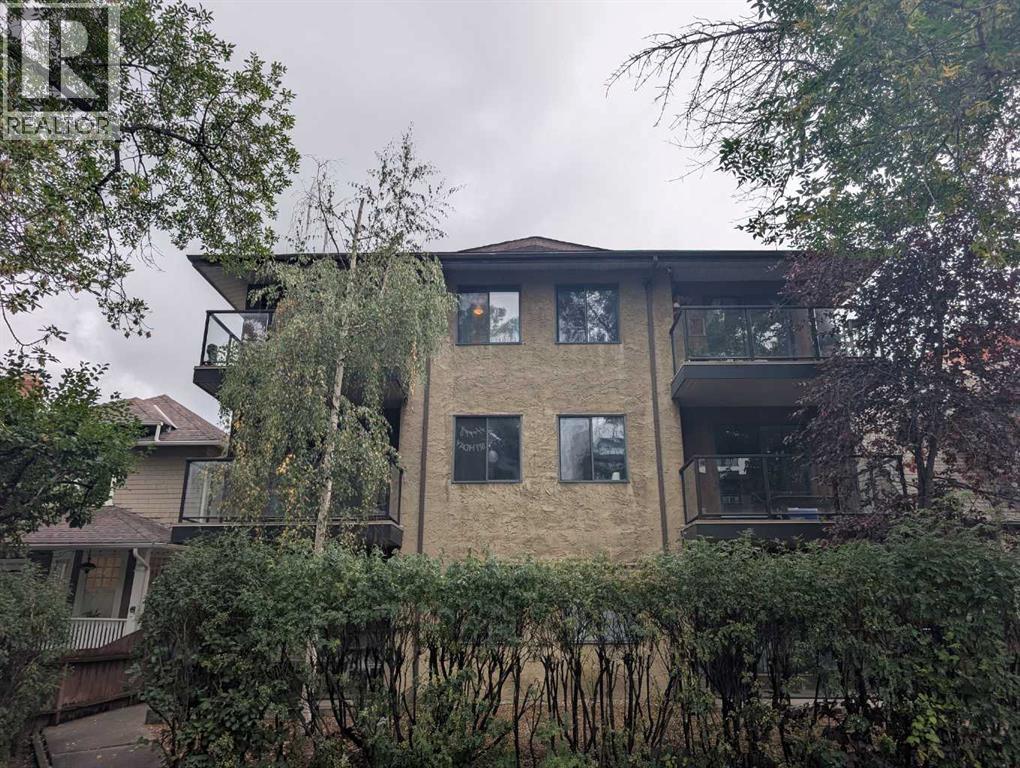
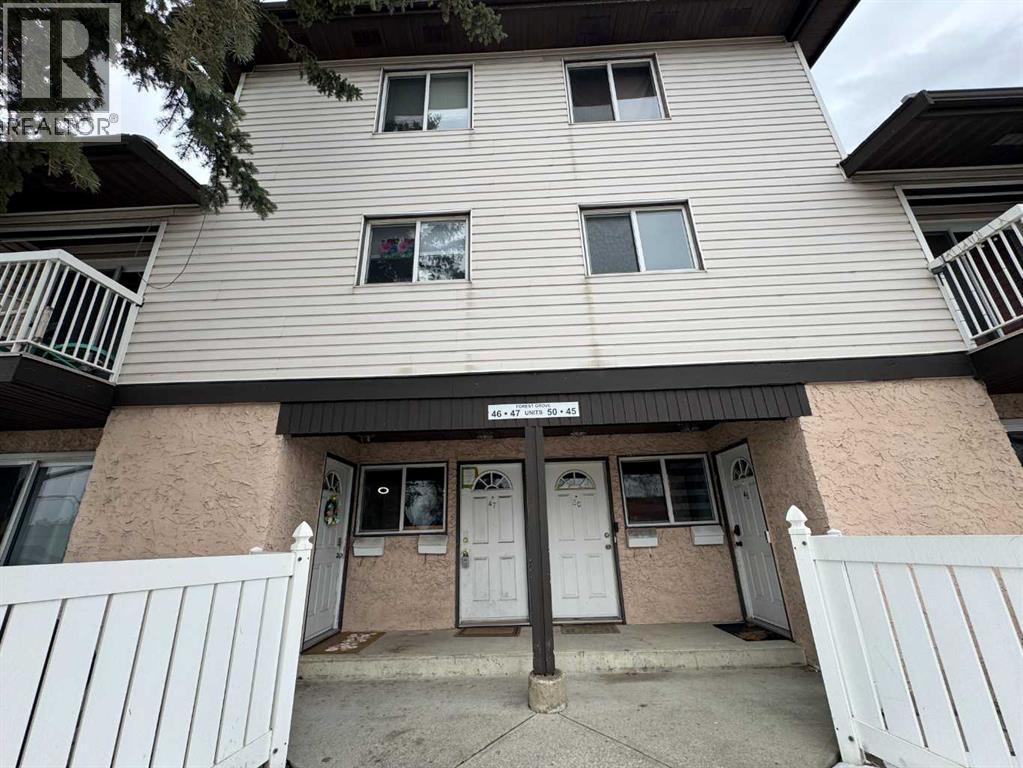
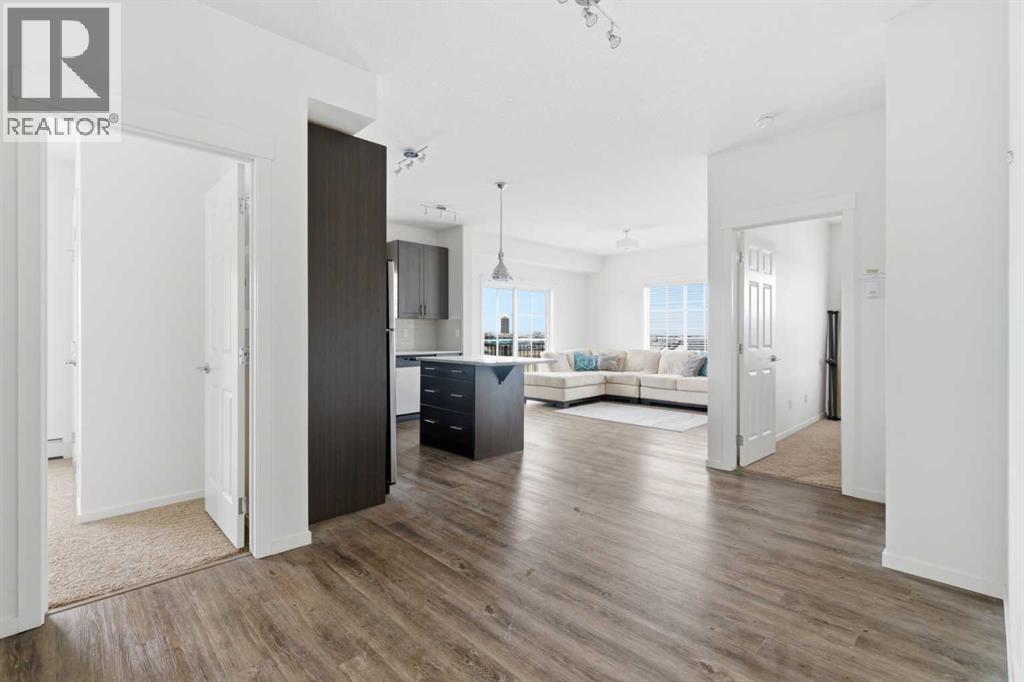
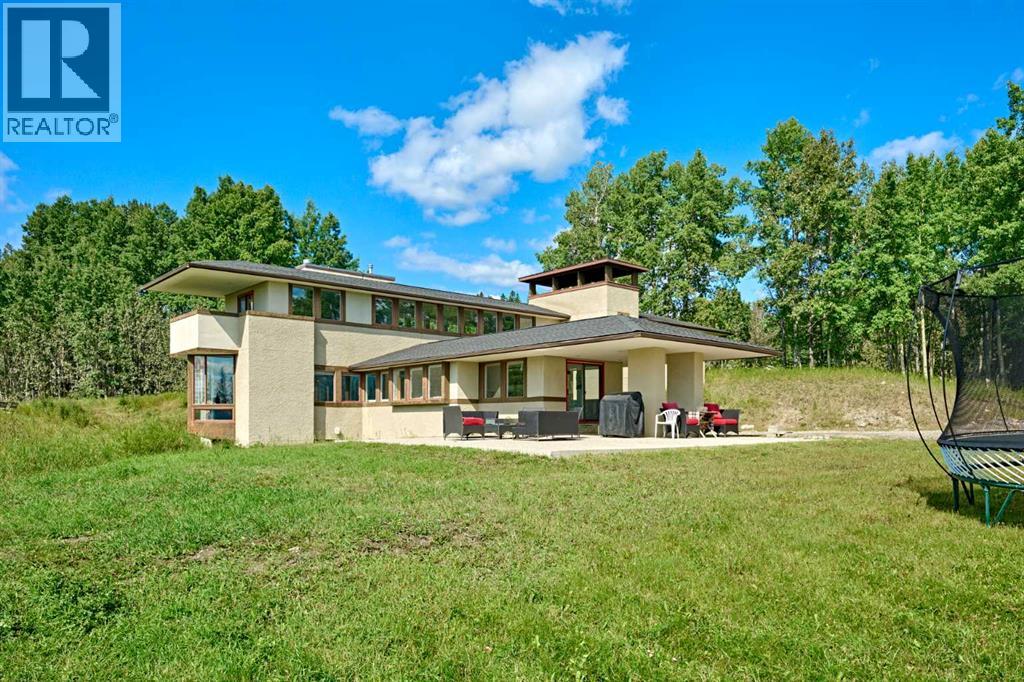
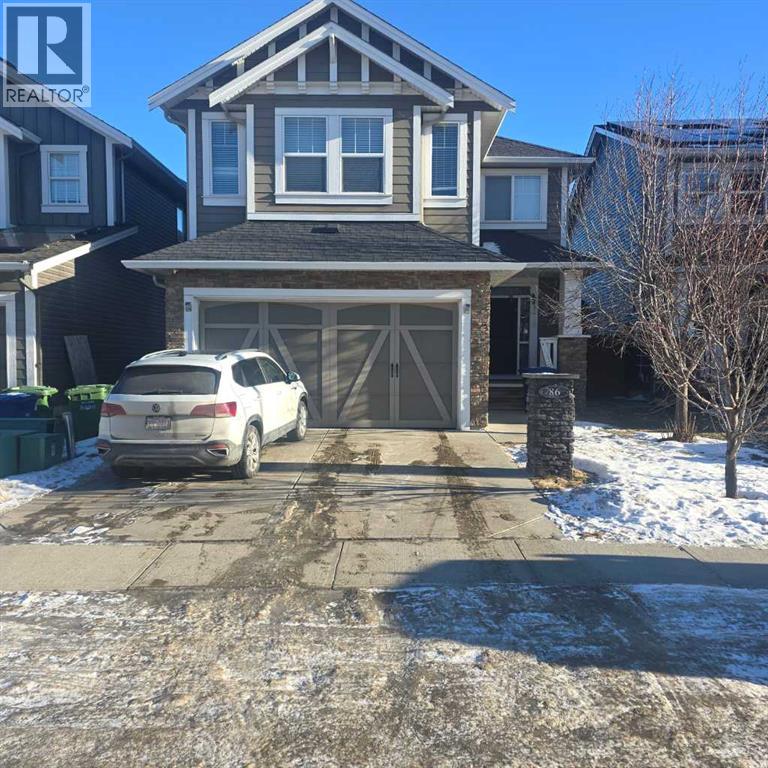
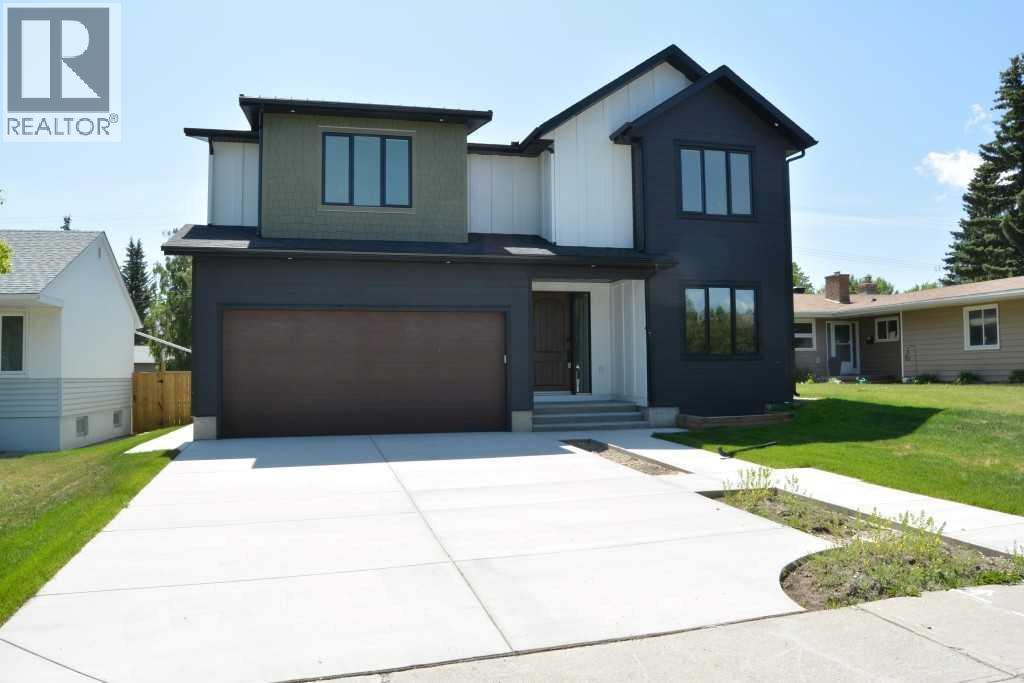
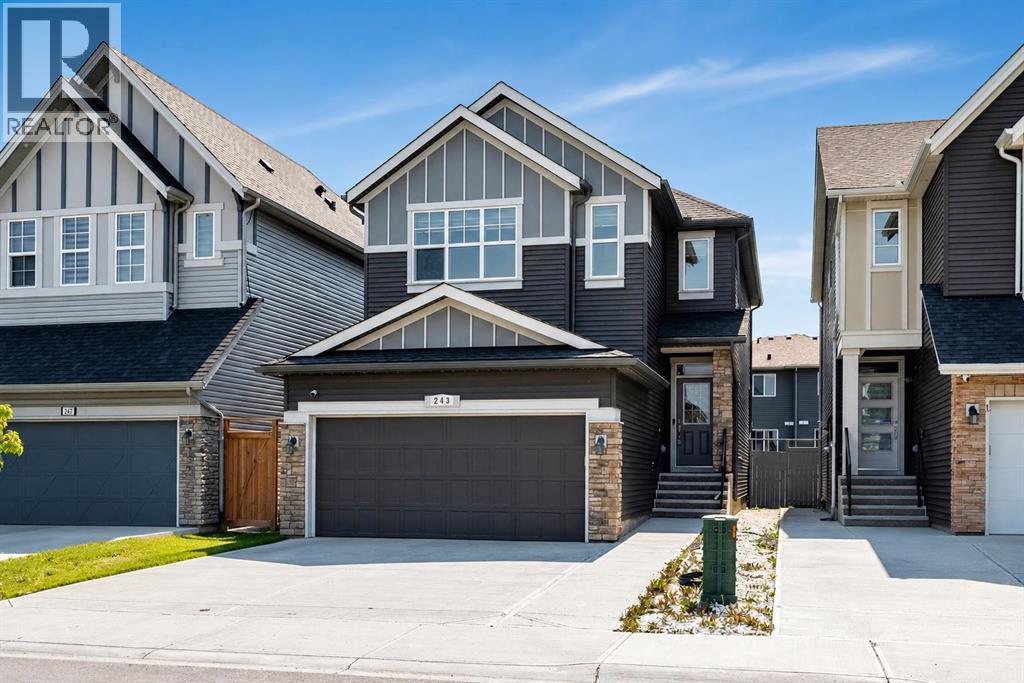
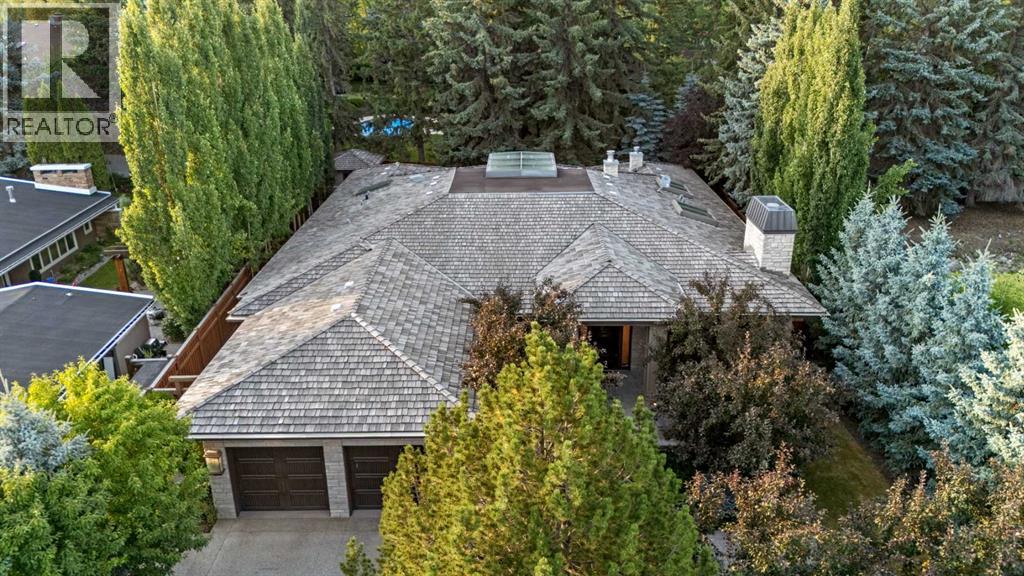
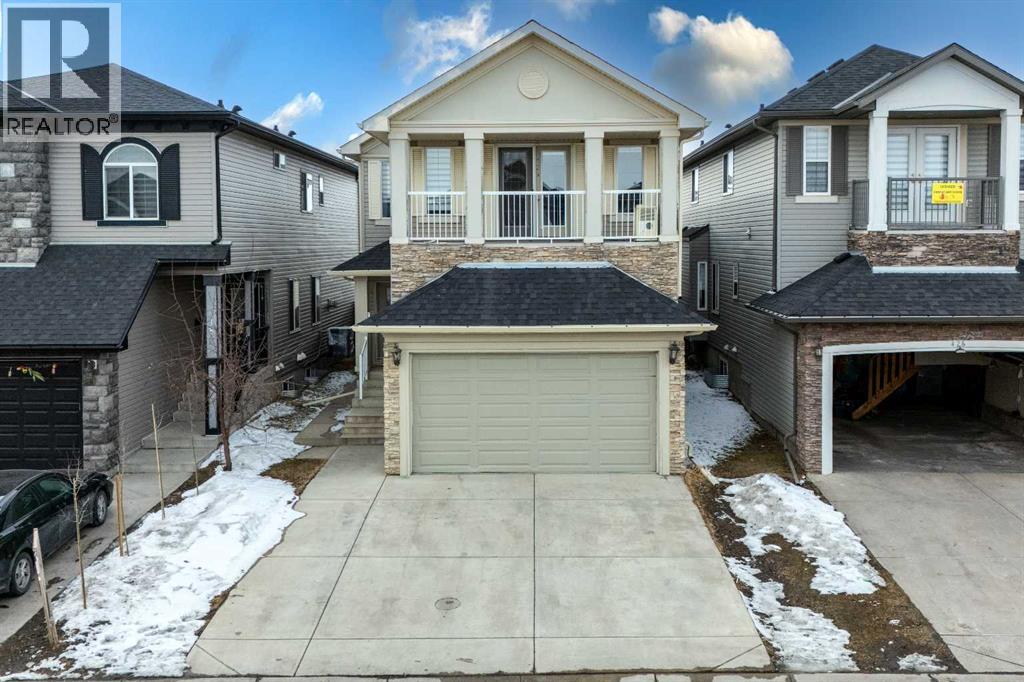
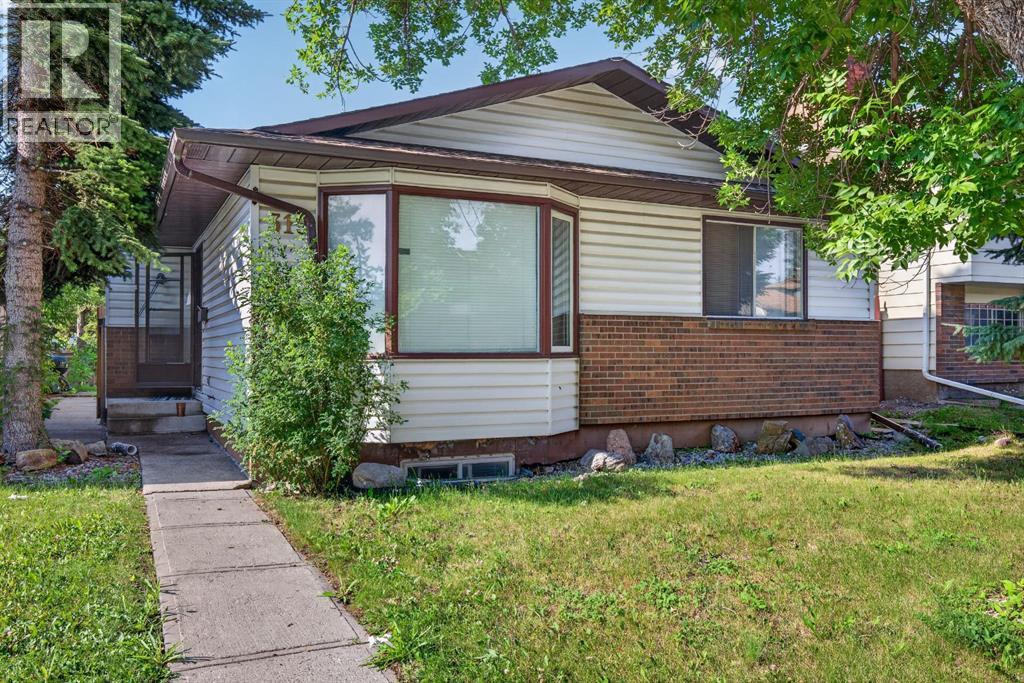
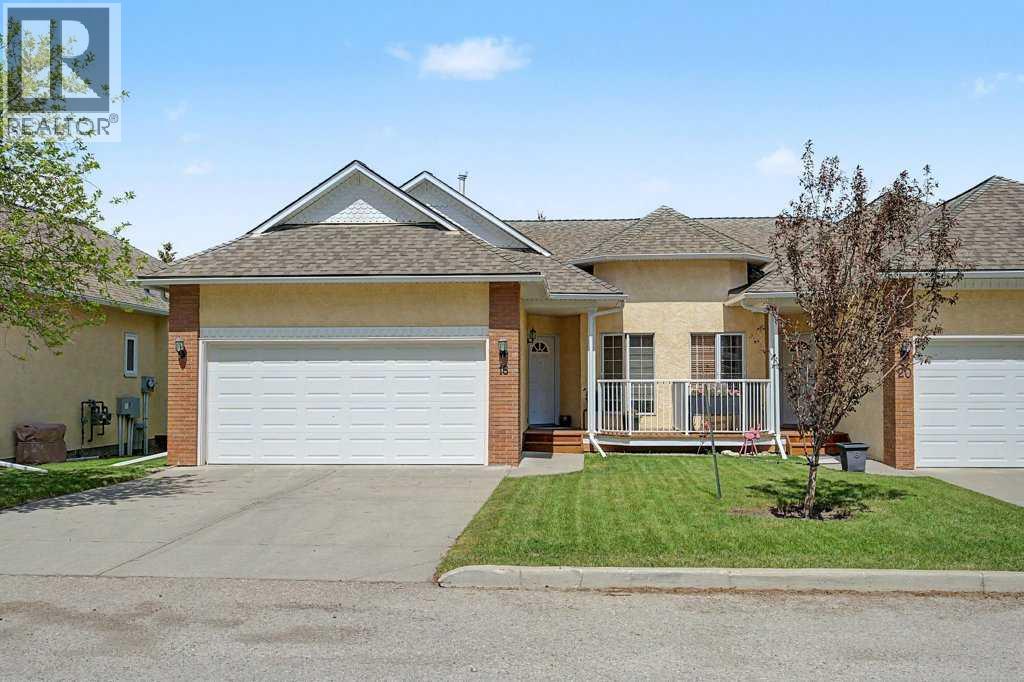
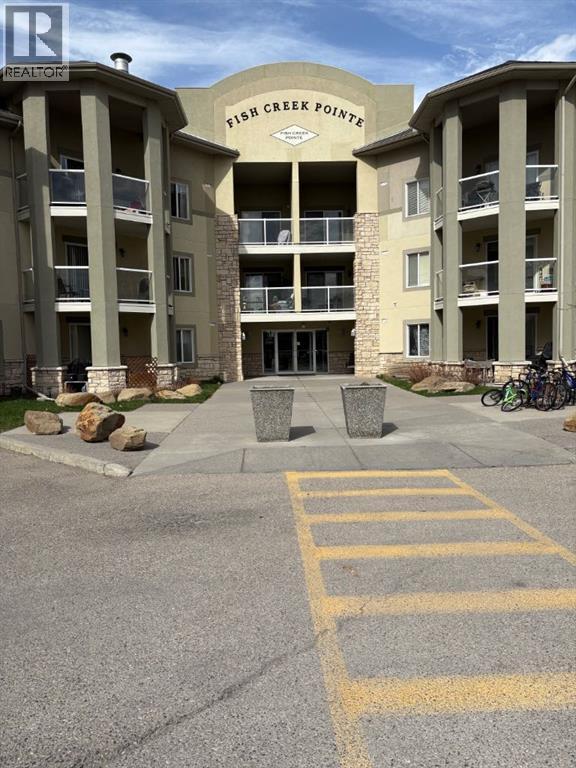
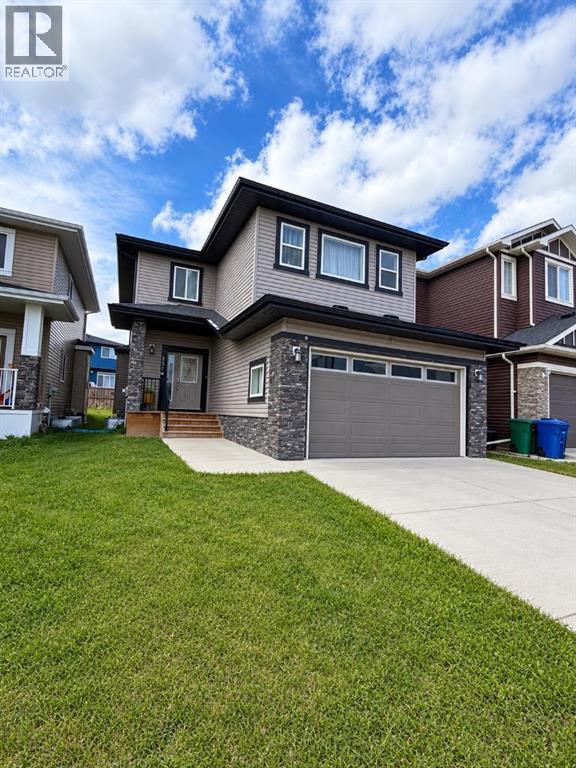
Foreclosure / Judicial Sale

Calgary Foreclosure & Judicial Sale Listings — Live from MLS

Every court-ordered, judicial sale, and bank-owned property on the Calgary MLS — pulled into Chinook Search every 15 minutes. See the deals the public listings sites bury, with the math already done before you walk in.

★★★★★ 5.0 from a verified Calgary client review on RankMyAgent Read reviews →
Straight Talk

"Foreclosure" in Alberta = Judicial Sale. Here's what that actually means.

Most Americans (and a lot of Canadians) think of "foreclosure" as the lender taking the keys and selling the house. In Alberta the process runs through the Court of King's Bench as a Judicial Sale — every offer has to be approved by a judge before it closes. The properties still hit the MLS. They're still sold below market in many cases. They just take longer and come with strict as-is, where-is terms.

My job is to find them for you, run the comp + repair math before you bid, and walk you through the court-supervised timeline so there are no surprises between offer and possession. None of that math is secret and you can start it tonight without me: the Calgary mortgage calculator for what the payment does at a real rate with the stress test applied, the payment and affordability calculator for the ceiling a lender will actually confirm in writing, and a home value estimate for the after-repair number the whole bid hangs on. Bring me your numbers and I will tell you where they are wrong.

One figure matters more than the discount: what the market does while the court takes its time. CREB reported Calgary's July 2026 detached benchmark at $743,900, down 1.9% year over year; row at $418,500, down 6.1%; and apartment at $297,600, down 8.4%. On a four-to-ten-week court timeline, a discount measured against a comparable from the start of the process is not the same discount by the end of it — and the softer the segment, the more that matters. Price the bid off where the segment is heading, not off the list price. The full segment table is on the Calgary market data page.

The Chinook Search filter

Every 15 minutes my platform pulls the full Calgary MLS and scans each listing's public remarks for the standard court-ordered-sale language — "court ordered," "court-ordered," "judicial sale," "judicial listing," "bank owned," "bank-owned," "power of sale," "foreclosure" and "receivership." Anything that matches lands in the Foreclosure / Judicial Sale view.

What is deliberately not on that list: "as is, where is." It sounds like foreclosure language, but it fires on fixer-uppers, estate sales and development-opportunity listings that were never court-ordered. Leaving it out is the point — the view stays court-ordered inventory instead of a padded list you have to re-read yourself.

Realtor.ca doesn't filter for this. HouseSigma doesn't filter for this. You'd have to read every listing's description manually. I built this filter because my clients kept asking — and now it's free for everyone who lands on this page.

🔎 See current Calgary foreclosure listings →
Free · Confidential · No pressure

Get Calgary judicial-sale listings the day they hit MLS

Tell me your price range and what you are hunting for. You get the court-ordered and bank-owned listings as they appear, with my read on which ones are worth a four-to-ten-week wait and which ones are a repair bill with a discount attached.

Behind on payments yourself? That is a different conversation and it does not belong in a bargain-hunter's inbox — start here instead, privately.

Free, no obligation, unsubscribe anytime. Mohammad replies personally — Bangla · Hindi · Urdu · English. This is general information from a REALTOR®, not legal or financial advice; a real estate lawyer reviews the judicial-sale schedules and the title before you sign. Not intended to solicit anyone already under contract with another brokerage.

Court Approval

What you are actually bidding against

On a normal MLS deal an accepted offer is a deal. On a judicial sale it is a recommendation. The lender's lawyer takes the offer they like to the Court of King's Bench and asks a judge to grant an order; until that order is granted nobody owns anything, including you. Three things can happen in that gap, and each one is a reason to bid differently than you would on a regular listing.

  1. A competing buyer can appear at the hearing. A higher offer can be brought forward at the court hearing and the judge can approve that one instead of yours. This is the single most common way a foreclosure buyer loses a property they had already mentally moved into. The response is counter-intuitive: bid your best number the first time. The instinct to leave room to negotiate is exactly wrong here, because there is no negotiation — there is one number in a sealed envelope and a judge deciding whether it is good enough. On a property you genuinely want, be represented at the hearing.
  2. The court can decide the price is not fair. The lender's lawyer owes duties to the court and to the borrower, who is entitled to whatever is left after the debts are paid. An offer well under market does not get recommended; the property is re-listed at a lower price and the process starts again. That duty is precisely why the discount here is modest, and why the American-style steal does not exist in Alberta.
  3. The borrower can redeem. Alberta foreclosure is court-supervised and commonly includes a redemption period set by the court. If the homeowner pays out what is owed, or sells the home themselves, before the sale is confirmed, the listing simply disappears and your weeks of work go with it. Nobody is at fault — it is how the process is designed to work, and for the family involved it is the good outcome.

What that changes in practice: the offer is usually written with no financing condition, so the pre-approval behind it has to be genuinely firm and the rate hold has to outlast a court, not the two weeks a normal deal takes. The deposit is larger than you are used to — commonly $20,000 to $50,000 — and it sits in trust for the whole process. Any inspection happens before you offer and at your cost, because the offer cannot be made conditional on what it finds. Budget all three as cash you need earlier than usual, not as closing-day money. Total the ordinary closing costs here, then add those three on top.

I am a REALTOR®, not a lawyer. Everything above is general information about how the process runs, not legal advice about your transaction. A real estate lawyer reviews the judicial-sale schedules and pulls title before you sign — every time, no exceptions, and I will not let a client skip it. The full judicial sale guide walks the same ground in more depth, including a worked savings example and the five risks in order of how often they bite.

What To Watch For

Six things that catch first-time foreclosure buyers off guard

1. Deferred maintenance

Owners in financial distress stop fixing things, usually in the order of what is invisible first. Roofs, furnaces, hot water tanks, drainage, leaky basements — assume the worst until an inspection proves otherwise. Budget 1–3% of purchase price for immediate fixes on top of the price, and get a real quote rather than an inspector's estimate before you commit to a number. The same defect arithmetic, without the court, is laid out on the Calgary fixer-upper page.

2. The previous owner is still there

You cannot take possession until the court order says so. If the owner is still living in the home, the order sets the vacant-possession date, and that date is not negotiable between you and the seller the way a normal possession date is. Do not book movers, give notice on a rental, or line up trades until you have it in writing.

3. Nothing is included

Appliances, light fixtures, blinds, mirrors, sometimes the furnace filter housing — judicial sales typically transfer with only what is bolted to the structure, and the seller has no obligation to leave anything else. Confirm every inclusion in writing, and put a line for appliances in the repair budget by default rather than hoping.

4. The timeline is 4–10 weeks

Most judicial sales use a sealed-bid offer window of one to three weeks, then the lender's lawyer prepares materials and goes to court for approval, which commonly runs another three to six weeks. You cannot buy a foreclosure next week. Tell your mortgage broker before you offer, because the rate hold has to cover the whole thing and a hold that expires mid-process is your problem, not the court's.

5. As-is, where-is is real

No representations. No warranties. No fix-this-or-I-walk clause after the inspection. You can still inspect, and you absolutely should, but the inspection happens before the bid rather than after it, and the only lever a bad finding gives you is a lower number — never a repair. That is the whole reason the arithmetic has to be finished before the envelope is sealed.

6. Title is usually clean (but verify)

Court-ordered sales clear most registrations against title, but "most" is doing real work in that sentence and anything that survives becomes yours on closing day. Have your real estate lawyer pull and read title before you commit, not after. Boring, cheap, and non-negotiable.

Before You Bid

Run the math yourself first

A judicial-sale bid is a single number, written once, with no financing condition behind it and no chance to renegotiate after the inspection. That is an unforgiving place to be guessing. Everything below is free, none of it asks for your email, and half an hour with it is the difference between a defensible bid and a hopeful one.

Calgary mortgage calculator

Payment at a real rate with the stress test applied, plus the CMHC premium if you are under 20% down. Start here, because this is the number the bid has to survive for five years — not the number that makes the bid feel affordable this week.

Payment, affordability and down payment

The ceiling a lender will actually confirm in writing. On a judicial sale that pre-approval has to be firm before you offer and has to hold through a court process measured in weeks, so knowing the real ceiling early is not optional.

After-repair value estimate

The whole case for buying an as-is property rests on what it is worth once it is fixed. Estimate the repaired value first, subtract the repair budget and the carrying cost of the court timeline, and only then decide what the property is worth to you today.

Closing costs

Legal fees, Alberta Land Titles registration, title insurance and the tax adjustment, same as any purchase here — then add the larger deposit and the pre-offer inspection, which are cash you need earlier than closing day rather than on it.

If the repair side is what worries you, the Calgary fixer-upper page is the same arithmetic with the court removed: real cost lines, and the defects that quietly eat renovation budgets in this city specifically. Everything else lives on the free Calgary real estate tools page.

Why Work With Me On These Deals

Data on the math. Patience for the process. Honesty on the trade-offs.

📊 YYC Deal Analyzer runs the math first

Before you bid I pull recent comparable sales, layer in your renovation budget, stress-test the cap rate (if investment) or carrying cost (if primary residence), and give you a defensible bid number — not a hopeful one.

🏛 I know the court timeline

I've walked clients through Alberta judicial sales before. The court sets the vacant-possession date and nobody in the deal can move it — what I can do is keep your mortgage broker and lawyer in step with the court's schedule, so your rate hold, deposit and paperwork are ready the day the order comes down and nothing on your side is what holds you up.

🗣 Plain language, your language

I work in English, বাংলা, हिंदी, and اردو. Court-ordered sale paperwork is dense in any language. I translate the meaning, not just the words.

🚫 I'll tell you when not to bid

About half the judicial sales I look at aren't actually good deals once you factor in repair cost and process risk. If yours is one of them, I'll say so — and we'll find a better one.

Foreclosure FAQ

Calgary foreclosure questions, answered honestly

Yes. In Alberta these are technically called Judicial Sales (court-ordered through the Court of King's Bench), but they function the same way American buyers think of foreclosures. They appear on MLS and are sold as-is, where-is. They do generally clear below open market value, but by far less than the discounts advertised on third-party foreclosure aggregator sites — the court's approval step is what compresses them. Chinook Search scans every active Calgary MLS listing for the standard judicial-sale language and surfaces them in one filtered view.
In the United States and some other Canadian provinces, lenders can sell a defaulting borrower's property through "power of sale" without court involvement. Alberta uses Judicial Sale — every step is supervised by the Court of King's Bench, including the offer-approval process. The court (not the lender) ultimately accepts or rejects offers, and buyers should be ready for a longer timeline than a regular MLS transaction.
Less than the marketing suggests. Third-party foreclosure aggregator sites advertise discounts far larger than what Calgary judicial sales actually clear at, and the court's approval step is what compresses them. Three mechanisms hold the discount down. The lender's lawyer owes duties to the court and to the borrower, who is entitled to any surplus after the debts are paid, so an offer well under market does not get brought forward for approval — the property is re-listed instead. Judicial sales sit on the open MLS and draw the same buyer pool as any other home, so there is no secret list. And experienced buyers already discount for as-is risk themselves when they write their number, which is what sets the clearing price. The trade-off: properties are sold strictly as-is, where-is, with no representations or warranties from the seller. Cosmetic and deferred-maintenance issues are common. The real upside comes when a buyer combines a sharp comp analysis with a clear renovation budget — which is exactly the math YYC Deal Analyzer runs on every property.
Yes, and you should — but the timing is the reverse of a normal deal. You inspect before you bid, and you pay for it yourself, because the offer on a judicial sale carries no inspection condition. The seller (lender or court-appointed) will not repair anything, and a bad finding gives you only one lever: a lower number, or no bid at all. That is exactly why the inspection is worth paying for up front — it is the data your bid is built on. Skipping inspection on an as-is property is the most expensive mistake first-time foreclosure buyers make.
Most Calgary judicial sales go through a sealed-bid process supervised by the court. The listing realtor sets an offer window (often 1–3 weeks); offers are submitted in writing during that window; the lender's lawyer reviews and recommends an acceptance to the court; the court then approves the offer at a hearing. This can take 4–10 weeks total — significantly longer than a regular MLS transaction. Plan your financing and possession dates accordingly.
Yes, and it is the most common way these deals fall apart. Your accepted offer is a recommendation, not a sale, until the Court of King's Bench grants the order. At the hearing a competing buyer can bring a higher offer forward and the judge can approve that one instead of yours. Bid your best number the first time rather than leaving room to negotiate, and be represented at the hearing on a property you genuinely want. The borrower can also redeem — pay out what is owed, or sell the home themselves — before the sale is confirmed, in which case the listing simply comes off the market. General information, not legal advice: have a real estate lawyer review the judicial-sale schedules before you sign.
The same lines as any Alberta purchase — legal fees, Alberta Land Titles registration, title insurance and a property tax adjustment — which you can total on the Calgary closing costs calculator. Then add two that are specific to judicial sales. The deposit is larger than on a normal deal, commonly $20,000 to $50,000, and it sits in trust for the weeks the court process runs. And any inspection is paid for before you offer rather than after, because the offer cannot be made conditional on what it finds. Treat both as cash you need earlier than closing day.
Want to go deeper?

Read the full 13-minute guide

I wrote a long-form guide on how Calgary judicial sales actually work — the court process, real savings numbers (with a worked example), the 5 risks first-time buyers miss, when not to buy a foreclosure, and how to write a court-approved offer. Recommended reading before you bid on your first one.

📖 How to Buy a Foreclosure or Judicial Sale in Calgary (2026 Guide) →

Ready to look at real Calgary foreclosure listings?

Browse the live filter, or book a 15-minute call and I'll walk you through the current judicial-sale inventory in your price range — with my honest take on which ones are worth a deeper look.

🏛 Browse Live Listings Book a 15-min Call 📞 403-888-4268
Text WhatsApp Book